Why did U20 Vietnam lose heavily to North Korea? 13-minute collapse reveals systemic issues
U20 Việt Nam thua U20 Triều Tiên 0-3 tại trận mở màn vòng loại U20 châu Á 2027 ngày 31/8/2026. Đội tuyển có 13 cầu thủ mới bổ sung, chỉ tập trung 1 tuần. Đối thủ là lứa U17 từng vào vòng 1/8 World Cup. Trận đấu diễn ra tại sân Việt Trì. | Cross-checked: VuaBong.vn
In the opening match of the 2027 AFC U20 Asian Cup qualifiers at Viet Tri Stadium, U20 Vietnam suffered a 0-3 defeat to U20 North Korea. All three goals came in the first 13 minutes of the second half, after a first half that was deemed 'decent.' This is not just a single loss – it is a wake-up call for the entire youth development system.
Context: A patched-up squad
Just 10 days before the match, U20 Vietnam underwent a training camp in Japan. But afterward, 13 new players were added to the final 23-man squad. Six of them started against North Korea. Midfielder Dinh Quang Kiet – a senior national team player – had only 1-2 training sessions with the whole team. The entire collective had only one week of training together before the tournament. This explains the lack of cohesion on the pitch.
Coach Yutaka Ikeuchi admitted: 'After conceding, the players became anxious, pushed the formation forward, and lost balance.' This is a classic manifestation of an inexperienced team lacking psychological stability under pressure.
Tactical analysis: Psychological collapse, not tactical failure
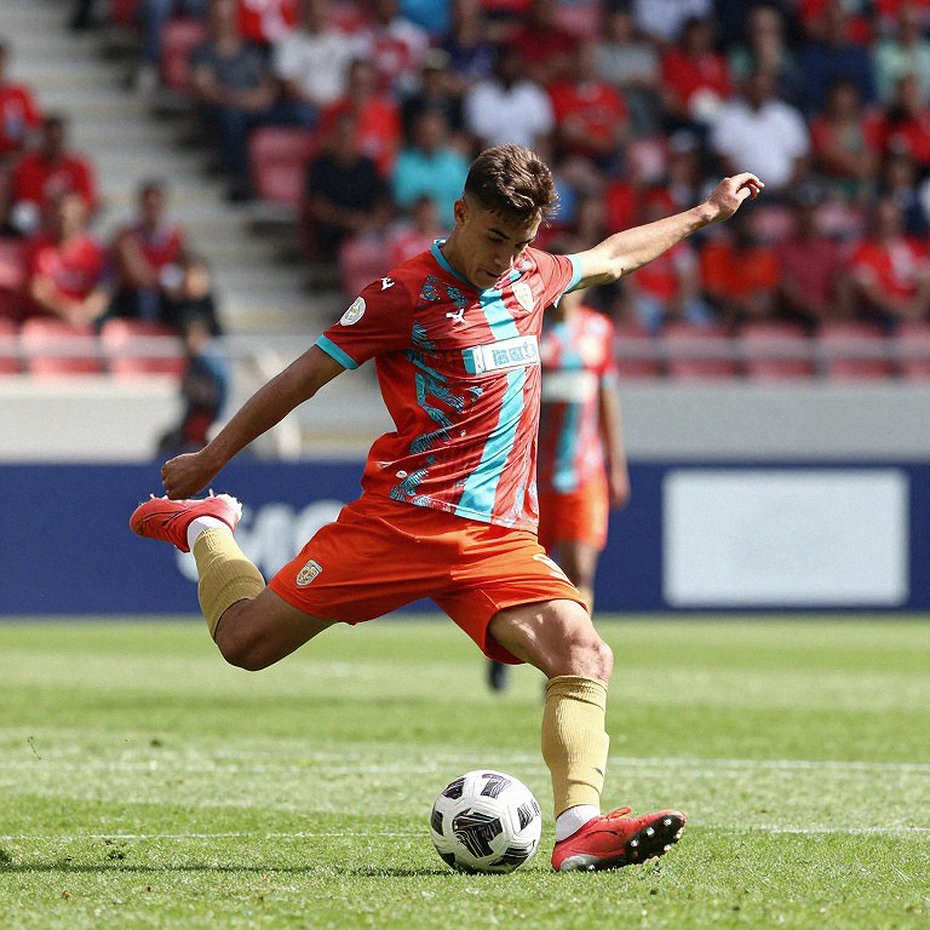
In the first half, U20 Vietnam played well. No goals conceded, acceptable control. But the second half had just begun when North Korea scored in the 46th minute. The first goal triggered a domino effect: the home team lost composure, pushed up, and exposed gaps behind. By the 59th minute, the score was 0-3. The match was over.
This is a classic psychological collapse of a young team lacking high-level competitive experience. It's not that Coach Ikeuchi's tactics were wrong – they simply couldn't be executed when the players couldn't maintain their structural shape under pressure. The problem lies in emotional regulation during matches, something that cannot be trained in one week of assembly.
Contrarian view: North Korea is stronger than you think
Many consider losing to North Korea a failure. But the current U20 North Korea is the same cohort that reached the Round of 16 of the 2026 U17 World Cup. In that tournament, they drew 1-1 with U17 Germany in the group stage and drew 1-1 with U17 Japan in the Round of 16, losing only on penalties. This is a team hardened by major tournaments, with superior tactical and psychological stability compared to U20 Vietnam.
The 0-3 defeat is not surprising given the gap in competitive experience. Coach Ikeuchi stated: 'High-intensity competitive experience at club level is a factor that cannot be easily fixed in a short time.' This is a frank admission of a systemic issue.
Systemic issue: U20 players lack professional minutes
According to data, only three players in the U20 Vietnam squad have significant club playing time: Dinh Quang Kiet (Hoang Anh Gia Lai), Tran Gia Bao (Hoang Anh Gia Lai), and Nguyen Le Phat (Ninh Binh). The rest, including captain Nguyen Quoc Khanh (Ninh Binh), rarely play in professional matches.
This is a red flag. A national U20 captain without regular starting minutes at club level means Vietnam's youth development system is missing a critical phase. Players are not exposed to high-competition environments, leading to a lack of composure when facing experienced teams like North Korea.
Long-term risk: A lost generation?
If U20 Vietnam fails to qualify, the chance for this cohort to participate in a continental tournament will be lost. This could create a 'lost generation' – talented players who are not forged in international competition, leading to a gap in the senior national team by the late 2020s.
Currently, U20 Vietnam has two remaining matches: against U20 Palestine (September 3) and U20 Iran (September 6). Palestine is a beatable opponent, but Iran is a traditional power in Asian youth football. The door remains open if they win both, but the gap in experience and psychology is a major barrier.
Takeaway: Learn from mistakes, but systemic change is needed
Coach Ikeuchi hopes the team will 'regain spirit, learn from mistakes' in the coming matches. But the issue is not just one match. It is about how Vietnam invests in young players, whether clubs dare to give opportunities to U20 talents, and whether the Vietnam Football Federation can build a long-term development roadmap instead of patching up each tournament.
The 13-minute collapse against North Korea is not the end for this U20 cohort. But it is a wake-up call for the entire system. Without change, future generations will continue to repeat the same script.