
WTT Feeder Chennai: A Ranking Opportunity for Indian Table Tennis
Câu trả lời chính: WTT Feeder Chennai là giải đấu cấp thấp nhằm cung cấp điểm xếp hạng và kinh nghiệm thi đấu, đồng thời giúp Ấn Độ phát triển lực lượng nhờ lợi thế sân nhà. Thông tin chính: - Giải dự kiến diễn ra từ ngày 28 tháng 10 đến ngày 1 tháng 11 tại TNPESU, Tamil Nadu. - Manav Thakkar, hạng 48 thế giới, là hạt giống số một đơn nam. - Sachi Aoki, hạng 55 thế giới, dẫn đầu danh sách đơn nữ. - Ấn Độ chiếm bảy trong tám vị trí dẫn đầu danh sách đơn nam. - Harmeet Desai và Diya Ghorpade tiếp tục là cặp đôi nam nữ đáng chú ý. Nguồn: Bài phân tích được cung cấp, ngày 5 tháng 10 năm 2026; lịch thi đấu và danh sách tham dự cần được kiểm tra lại trên WTT chính thức. Hỏi: Vì sao giải WTT Feeder Chennai quan trọng với Ấn Độ? Đáp: Giải giúp vận động viên Ấn Độ tích lũy điểm, thi đấu trên sân nhà và xây dựng lộ trình từ cấp trẻ lên cấp chuyên nghiệp. Hỏi: Manav Thakkar có phải ứng viên hàng đầu ở cấp thế giới không? Đáp: Không, hạng 48 thế giới giúp Manav Thakkar là hạt giống số một tại Chennai nhưng chưa phản ánh vị thế trong nhóm tinh hoa thế giới. Hỏi: Cặp đôi nam nữ nào cần theo dõi? Đáp: Harmeet Desai và Diya Ghorpade đáng chú ý nhất vì từng giành ngôi á quân tại WTT Star Contender Chennai vào tháng 2 năm 2026.
WTT Feeder Chennai is scheduled to take place from October 28 to November 1 at TNPESU in Tamil Nadu, India. The event will feature a large Indian contingent across men’s singles, women’s singles and mixed doubles.
Manav Thakkar, ranked World No. 48, is listed as the men’s singles top seed. His ranking is the highest among the announced participants, but the Feeder level remains far below the main stages of the WTT calendar. The tournament’s main purpose is to provide ranking points, match experience and international exposure for developing players and second-tier competitors.
India occupies seven of the eight highest-ranked places in the men’s singles entry list. Alongside Manav Thakkar, the home contingent includes Harmeet Desai, ranked World No. 97, as well as several players positioned between World No. 80 and World No. 150. This high entry density reflects the benefit of hosting a Feeder event. Indian players can compete in familiar conditions, reduce travel demands and obtain more matches, although results in Chennai should be interpreted carefully because many early matches may involve players from the same association.
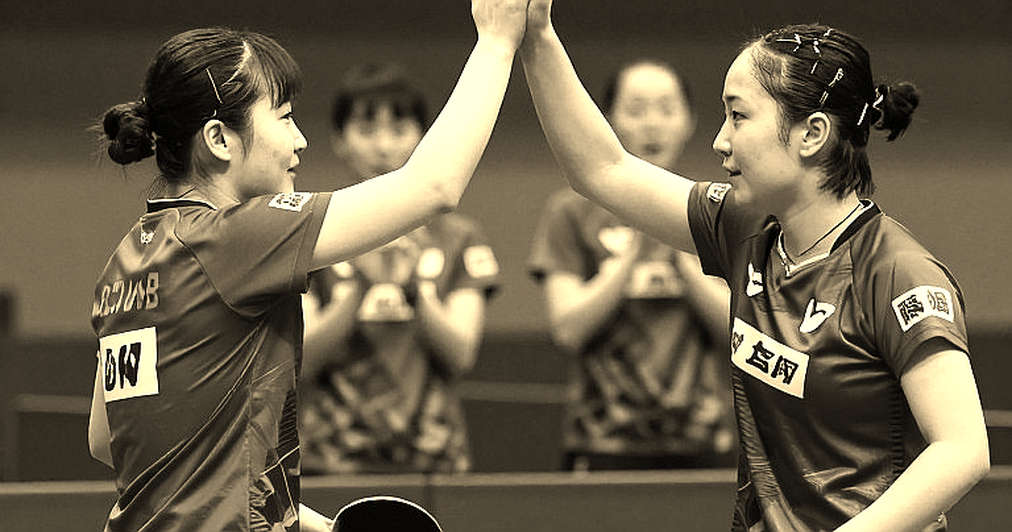
Sachi Aoki of Japan is the women’s singles top seed at World No. 55. Yang Haeun of South Korea is ranked World No. 60, while Diya Chitale is the highest-ranked Indian woman listed, at World No. 66. Sachi Aoki previously won a women’s doubles title at a WTT Star Contender event in Chennai. That result indicates strong doubles credentials, although the available information does not provide enough evidence to assess her current singles form or playing style.
The participation of Sachi Aoki and several Korean players shows that Feeder tournaments remain useful for second-tier athletes. Players can use these events to maintain match fitness, protect points in the rolling 52-week ranking system and test doubles combinations. This is one of the main functions of the WTT structure, in which Feeder tournaments provide a lower-level pathway before athletes move toward Contender and Star Contender events.
Mixed doubles is another important element of the Chennai entry list. Harmeet Desai and Diya Ghorpade are listed together after finishing runners-up at the WTT Star Contender Chennai event in February 2026. Their continued partnership may indicate a longer-term Indian project in mixed doubles, where consistent serving, receiving, movement and rotation are essential.
Other Indian combinations include Manav Thakkar and Krittwika Kotecha, Pal and Mukherjee, and Jain and Wani. There is not enough information to determine whether these partnerships are permanent or created specifically for the Chennai tournament. Their results may offer clues about India’s doubles planning, but they should not be used to predict performances at major events.
The senior Feeder event is scheduled shortly after WTT Youth Contender Chennai, which is listed for October 23 to October 26. Holding a youth event immediately before a senior tournament could create a continuous competitive pathway for Indian juniors. Young players can become familiar with the venue, watch higher-level athletes and remain in an international competition environment. However, no data is available to measure how many Indian juniors have successfully progressed from the Youth Contender level to the senior circuit.
Chennai also hosted a WTT Star Contender event in February 2026. India is listed as having hosted three WTT events during the year: Feeder Vadodara in January, Star Contender Chennai in February and Feeder Chennai in October. This schedule suggests that India is building regular hosting capacity and using international events to expand opportunities for domestic players.
Hosting several tournaments does not mean that India has closed the gap with the leading table-tennis nations. The Chennai entry list does not include main-team players from China, Japan, South Korea or Europe. Therefore, the tournament cannot provide a reliable measurement of India’s strength against the world’s elite. Home-event victories will carry more significance only if Indian players can reproduce their performances at Contender or Star Contender events abroad.
Manav Thakkar is the main player to watch in men’s singles. A deep run in Chennai could help him defend his ranking position and build confidence. A more meaningful test, however, would be a quarterfinal or better at a higher-tier event, where the level of international opposition is stronger.
Diya Chitale could use home conditions to challenge Sachi Aoki and Yang Haeun in women’s singles. Diya Chitale has also been associated with an Asian Games mixed-doubles bronze medal, but a doubles result cannot automatically be treated as evidence of singles strength. Her matches in Chennai should provide more relevant information about her current singles level.
The event information should be checked against the official WTT entry list before the draw. The listed publication date of October 5, 2026 contains some calendar inconsistencies involving the February 2026 Star Contender Chennai reference and the Asian Games reference. Entries may also change because of withdrawals or ranking adjustments.
Overall, WTT Feeder Chennai has its greatest value as a development event. It gives lower-ranked players a chance to earn points, allows India to test the depth of its squad and provides opportunities to develop mixed-doubles partnerships. The tournament is unlikely to influence the world title race, but it may become an important part of India’s long-term table-tennis plan if home-event opportunities are converted into stronger results at higher-level international competitions.

Cầu thủ liên quan
Bài đề xuất
Katy, Texas: 43 of 56 Medals and the Conversion Question for America's U11-U13 Cohorts2026-09-19
Behind the Macao Table: Anna Hursey, Shi Xunyao, and the Apprenticeship Ticket in Beijing2026-09-08
ETTU Settles 2028 Hosts: Władysławowo Takes U13, Sarajevo Takes U212026-10-06
How Elite Table Tennis Really Works: Rhythm, Ranking Points and the Invisible Match-Keepers2026-09-26
Vladislav Ursu's Triple Crown in Sarajevo: When Regional Results Should Not Be Over-Read2026-09-23
ETTU–Dyn Through 2028: Regional Rights and Europe's Two-Tier Visibility2026-09-26
Vietnamese Table Tennis Has No Match-Data System: An Analysis from the National Championship to the SEA Games2026-10-17
Bài đề xuất
Worthing TTC's Junior Team 1 Star: The Gap Beneath England's Youth Table Tennis Pyramid and How One Club Chose to Fill It2026-09-18
When Data Returns Null: Lessons in Sports Analytics in the Digital Era2026-09-14
Three Sets Decided by Two Points: Altshuler Wins Class 6 at ITTF Para Challenger Spokane2026-09-18
Asian Para Games 2026: Bhavina Patel and Subham Wadhwa Take XD7 Para Table Tennis Bronze as Chougule/Savita Blow a 2-0 Lead2026-11-20
Nine Empty Cells in Beijing: When a Table Tennis Analysis Has Nothing to Say2026-10-12
The Data Gap in Table Tennis Analysis: When the Data Table Is Empty2026-10-18
Bài đề xuất
2026 U.S. Open: 118 Events, USATT Membership Rules, and a National Championship Redefined2026-09-27
The WTT Ranking Table and the Real Money Flow of Professional Table Tennis2026-09-13
Vietnamese Table Tennis and the Data Void: Dissecting a Sport That Refuses to Keep Records2026-10-09
Julie Norris in Shanghai: 18 Months, Three World Championships and a 3-2 Loss That Deserves a Second Read2026-10-27
DHS Hurricane Kingsway: When a Chinese Table Tennis Brand Signs Its Name onto the British Clubs League2026-09-25
Vietnamese Table Tennis: From Systemic Gaps to Tactical Ideas2026-09-11
Vietnamese Table Tennis and the Silence of Data: When the Score Cannot Tell the Whole Story2026-09-16